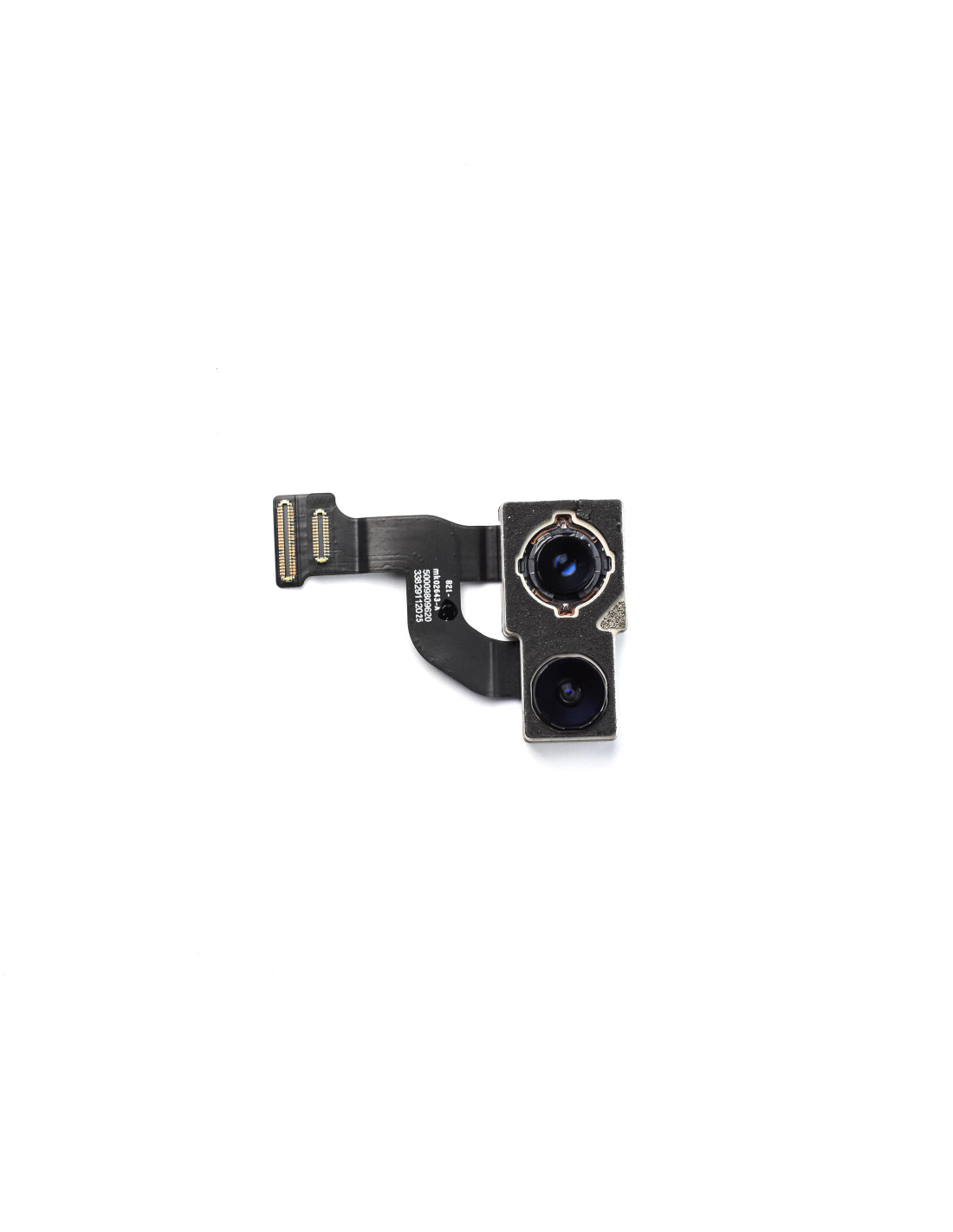
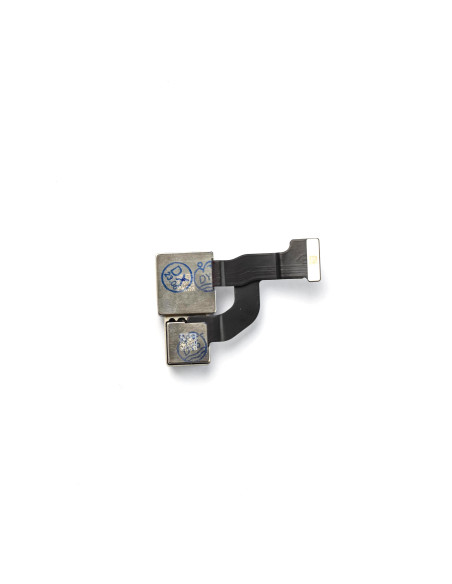
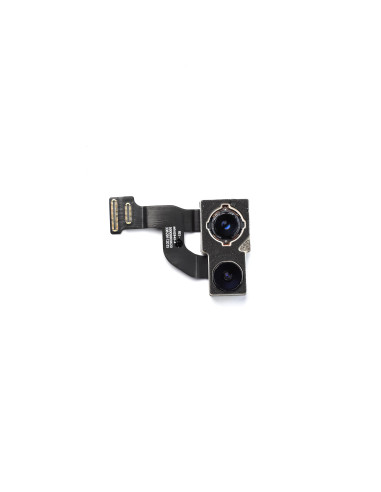
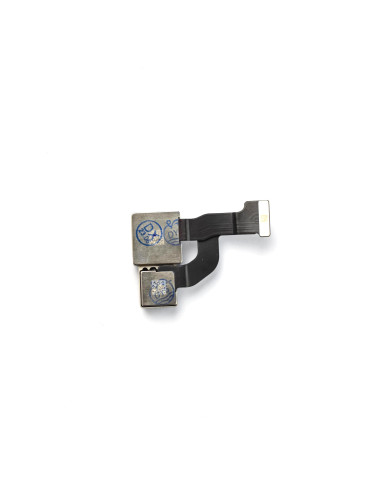
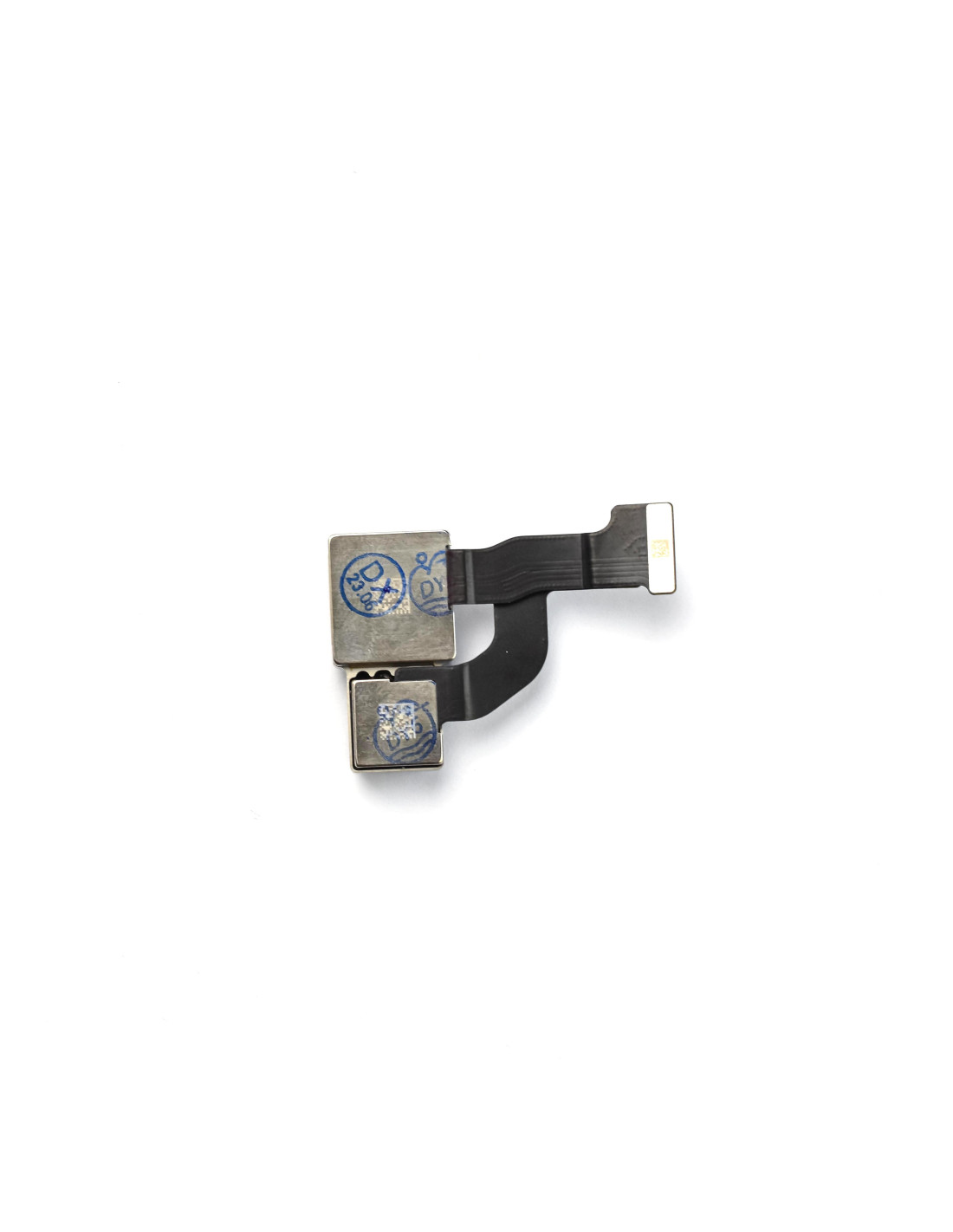



The iPhone 12 back camera is engineered with a dual-camera system, making it a crucial component for any repair shop dealing with high-performance devices. Featuring a 12MP ultra-wide with an f/2.4 aperture and a 120-degree field of view, the system allows you to capture expansive scenes effortlessly. wide 12MP lens features an f/1.6 aperture, ensuring superior performance in low-light conditions. Paired with Night Mode, enhances the camera's ability to capture crisp, vibrant images even in dim settings.
The computational photography integrated into the iPhone 12 image quality through features like Smart HDR 3. By analyzing different segments of a scene and applying customized adjustments to specific parts, it creates with remarkable detail and contrast. You’ll find that such intricate systems are designed not only for aesthetics but also to support advanced functionalities useful for refurbishment. Whether’re tasked with diagnostics or precise image quality checks, the camera's robust design and features provide a reliable solution.
The iPhone 12 back camera is not just about stunning photographs; it also excels video. Capable of recording 4K Dolby Vision HDR at up to 30 fps, this camera enables you to produce cinema footage. When refurbishing or repairing, understanding these capabilities ensures you can meet customer expectations for capturing life's events in vivid, true-to-life. Enhanced video stabilization means that even in action-packed scenes or when handheld, the content remains smooth and professional.
Moreover durability is key for repair and refurbishment. The camera's shielded design protects vital components, minimizing damage during disassembly and ensuring longevity. Any technician will appreciate the robustness of the individual lens assemblies, which are crafted to resist wear and impact. With precise grounding joints and connectors, camera system aligns seamlessly during installation, reducing the risk of further complications or failures post-repair.